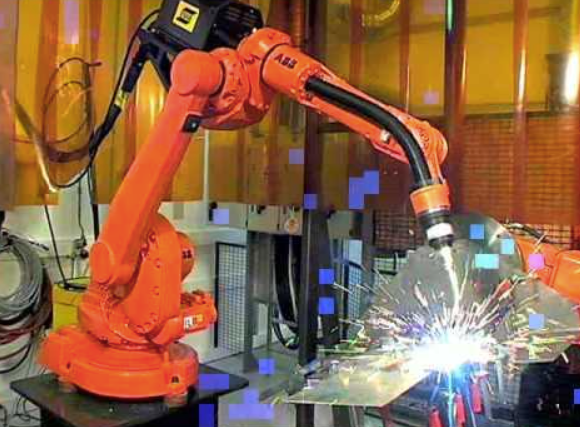

Robots have become integral to modern manufacturing processes, enhancing both efficiency and precision. Various types of robots are employed, each serving distinct functions on the production line. Articulated robots excel in complex tasks, while collaborative robots improve safety by working alongside humans. The adoption of these technologies not only reduces costs but also enables rapid adaptation to market changes. As industries evolve, the role of robotics in manufacturing continues to expand, prompting further exploration of their potential impacts.
Types of Robots in Manufacturing
What distinguishes the various types of robots utilized in manufacturing?
Articulated robots, characterized by their multi-jointed arms, excel in complex tasks requiring precision.
In contrast, collaborative robots, or cobots, are designed to work alongside humans, enhancing operational flexibility and safety.
This differentiation underscores the evolving landscape of robotics, where functionality and human interaction are pivotal in optimizing manufacturing processes and promoting operational freedom.
Applications of Robots on the Assembly Line
Robots revolutionize the assembly line by streamlining processes and enhancing production efficiency.
Their applications include robotic welding, which ensures consistent quality and precision in joining materials.
Additionally, automated assembly systems facilitate the efficient integration of components, reducing labor costs and minimizing human error.
This technology allows manufacturers to maintain flexibility and adaptability, meeting the demands of modern production environments effectively.
Benefits of Implementing Robotics in Production
The implementation of robotics in production environments offers numerous advantages that extend beyond mere efficiency improvements.
Key benefits include significant cost savings through reduced labor expenses and minimized errors, alongside enhanced productivity.
Furthermore, robotics contribute to improved safety by taking over hazardous tasks, thereby decreasing workplace injuries.
This integration not only optimizes operations but also fosters a safer, more cost-effective manufacturing landscape.
See also: coursegagnante
The Future of Robotics in Manufacturing
As technological advancements continue to evolve, the future of robotics in manufacturing appears poised for transformative growth.
The integration of advanced automation will streamline production processes, enhancing efficiency and accuracy.
Collaborative robots, designed to work alongside human operators, will foster a more flexible workflow, enabling greater adaptability to market demands.
This synergy promises to redefine manufacturing paradigms, empowering industries to achieve unprecedented levels of productivity.
Conclusion
In conclusion, the integration of robotics in manufacturing mirrors the evolution of a well-tuned orchestra, where each robot plays a specific role to create a harmonious production symphony. For instance, a study found that companies employing collaborative robots increased productivity by 30%, akin to a conductor enhancing the performance of musicians. As technology advances, the orchestration of human and robotic collaboration will continue to redefine efficiency and adaptability, shaping the future landscape of manufacturing.