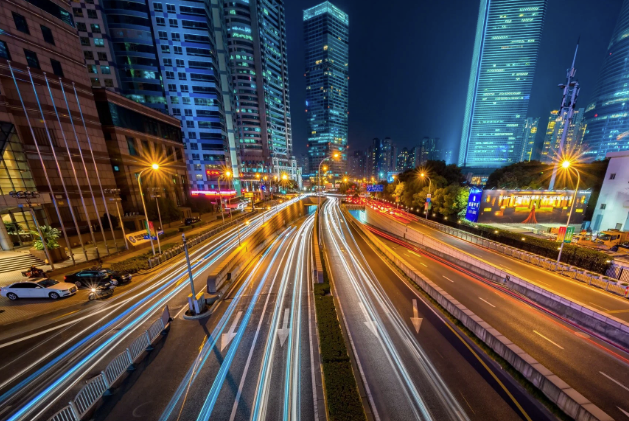

Smart cities represent a transformative approach to urban living. By integrating technology into transportation, they streamline movement and reduce congestion. Environmental sustainability initiatives enhance the quality of local ecosystems. Moreover, public health measures and community engagement foster a more inclusive environment. These elements collectively elevate the quality of life for residents. However, the complexities of implementation and ongoing challenges raise critical questions about the future of urban development. What lies ahead for these innovative cities?
Enhancing Transportation Efficiency
As urban populations continue to swell, cities face mounting pressure to optimize transportation systems, which are essential for enhancing overall quality of life.
Smart mobility technologies enable innovative traffic management solutions, facilitating seamless connectivity and reducing congestion.
Promoting Environmental Sustainability
While urbanization brings numerous opportunities, it also poses significant environmental challenges that demand strategic solutions.
Smart cities prioritize green infrastructure and energy efficiency as cornerstones for sustainable development. By integrating renewable energy sources and enhancing urban green spaces, these initiatives not only mitigate climate impact but also empower citizens with a healthier environment.
Ultimately, such strategies foster a harmonious balance between urban living and ecological preservation.
Improving Public Health and Safety
How can smart city initiatives enhance public health and safety in urban environments?
By integrating telehealth services and smart surveillance systems, cities can proactively monitor health trends and respond to emergencies.
These technologies not only facilitate immediate medical assistance but also empower citizens through data-driven insights, creating a safer, healthier urban landscape.
Ultimately, such innovations foster individual freedom and community resilience.
See also: How Robots Are Used in Manufacturing
Fostering Community Engagement and Inclusivity
To cultivate a vibrant urban environment, smart city initiatives must prioritize community engagement and inclusivity as fundamental components of their design.
By leveraging digital platforms, municipalities can facilitate participation in community events, ensuring diverse voices are heard.
This approach not only fosters a sense of belonging but also empowers residents to shape their neighborhoods, ultimately enhancing overall quality of life and promoting freedom within the urban landscape.
Conclusion
In conclusion, smart cities stand as beacons of modern urban innovation, illuminating pathways toward enhanced quality of life. By weaving together advanced technologies in transportation, sustainability, health, and community engagement, they create a tapestry of interconnected solutions that not only address current challenges but also anticipate future needs. As cities evolve into these intelligent ecosystems, they empower residents to thrive, fostering a vibrant harmony where technology and humanity coexist, ultimately shaping a brighter urban future for all.