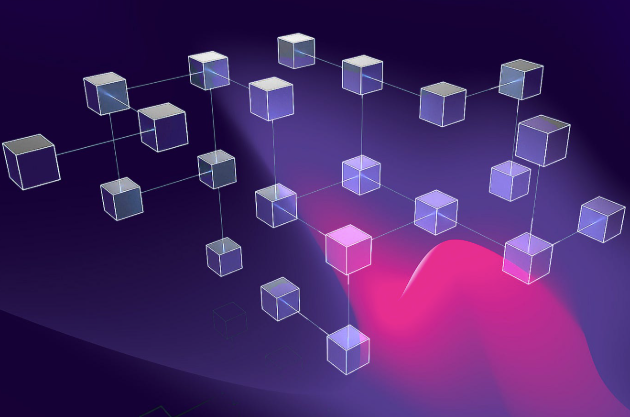

A Decentralized Autonomous Organization (DAO) represents a transformative shift in organizational structure, leveraging blockchain technology for decentralized governance. This model operates through smart contracts, enabling participants to engage in decision-making processes via various voting mechanisms. By eliminating centralized control, DAOs foster transparency and community involvement. However, the implications of such a system raise questions about governance efficacy, stakeholder influence, and real-world applications that merit further examination.
Understanding the Concept of DAOs
Decentralized Autonomous Organizations (DAOs) represent a paradigm shift in organizational governance, leveraging blockchain technology to facilitate collective decision-making.
Understanding DAO fundamentals requires an examination of their governance structures, which utilize smart contracts to automate processes and ensure transparency.
This innovative framework empowers participants by decentralizing authority, enabling diverse stakeholder engagement, and promoting an environment where freedom and collaboration drive organizational success.
How DAOs Operate: Governance and Voting Mechanisms
Although many organizations rely on traditional hierarchical structures, DAOs employ unique governance and voting mechanisms that facilitate more democratic participation among members.
By utilizing various governance models, such as token-based voting and liquid democracy, DAOs empower stakeholders with defined voting rights.
This system not only enhances transparency but also ensures that decision-making reflects the collective interests and autonomy of the community.
Benefits of Decentralized Autonomous Organizations
The unique governance and voting mechanisms of DAOs contribute to a range of significant advantages.
These organizations enhance transparency benefits, allowing members to access real-time information regarding decisions and financial transactions.
Furthermore, DAOs foster community engagement by empowering individuals to participate actively in governance, ensuring that diverse perspectives are acknowledged and valued.
Ultimately, this leads to more democratic and equitable decision-making processes.
See also: How Smartphones Are Changing Communication
Real-World Applications and Examples of DAOs
How are DAOs transforming traditional organizational structures?
Real-world examples, such as MakerDAO and Aragon, demonstrate their efficacy in decentralized governance and autonomous decision-making.
DAO case studies reveal enhanced transparency and member engagement, circumventing conventional hierarchies.
These organizations empower individuals, fostering a collaborative environment that aligns with the principles of freedom and self-governance, ultimately redefining how communities can effectively manage resources and initiatives.
Conclusion
In the grand tapestry of modern governance, DAOs emerge as the revolutionary phoenix, soaring above traditional hierarchies with wings of blockchain technology. Their unparalleled transparency and democratic engagement not only challenge the status quo but also herald a new era of collaboration that is nothing short of miraculous. As they proliferate across various sectors, the transformative potential of DAOs promises to reshape the very foundation of organizational structures, propelling society into an unprecedented age of collective empowerment and innovation.