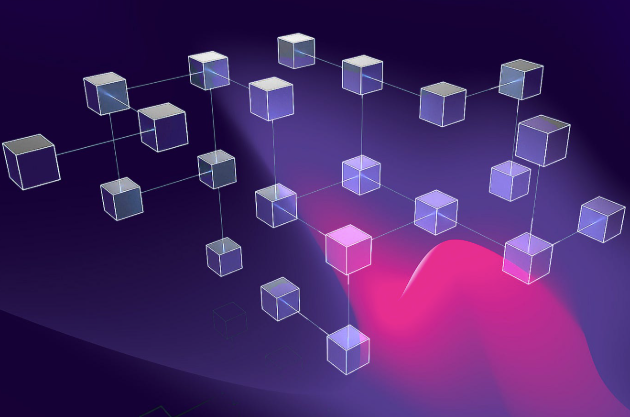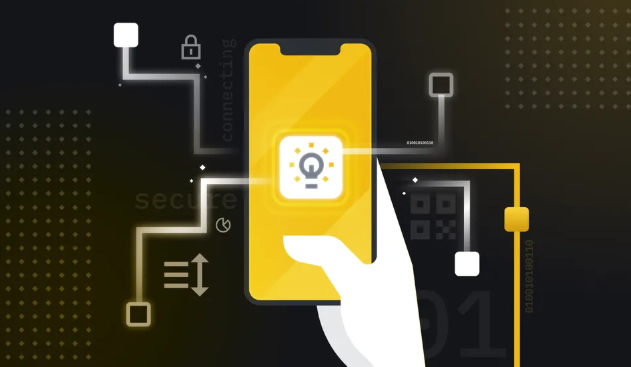

Decentralized applications, or DApps, represent a transformative approach to software development. Built on peer-to-peer networks, they utilize blockchain technology to enhance security and transparency. By eliminating the need for centralized servers, DApps empower users with control over their data through smart contracts. This innovative framework is reshaping various industries, but the implications of this shift extend far beyond mere technology. Understanding their functionality could redefine how society interacts with digital platforms.
Understanding Decentralized Applications
Decentralized applications (DApps) represent a transformative shift in software architecture, characterized by their operation on a peer-to-peer network rather than a centralized server.
Utilizing blockchain technology, DApps leverage smart contracts to automate processes and ensure transparency, enabling users to interact without intermediaries.
This architecture fosters freedom, empowering individuals to retain control over their data while enhancing security and trust through decentralized protocols.
Key Features of DApps
At the core of DApps lies a suite of defining features that distinguish them from traditional applications. A robust user interface facilitates seamless interaction, while inherent decentralization enhances security and user autonomy.
Additionally, DApps leverage innovative scalability solutions to accommodate growing user demands without compromising performance. These characteristics empower users, fostering a more independent digital ecosystem that prioritizes freedom and resilience.
How DApps Work
DApps operate on a decentralized network of nodes, utilizing blockchain technology to ensure transparency and security.
They leverage smart contracts to automate processes, enabling user autonomy without reliance on centralized authorities.
This architecture fosters a trustless environment, where interactions are governed by code rather than intermediaries.
As a result, users experience enhanced control and freedom, redefining traditional application frameworks.
See also: What Is a DAO (Decentralized Autonomous Organization)?
Applications of DApps Across Industries
As industries increasingly seek innovative solutions to enhance efficiency and transparency, the adoption of DApps has emerged as a transformative force across various sectors.
In the gaming industry, DApps facilitate decentralized asset ownership and fair play, while in financial services, they streamline transactions, enhance security, and promote peer-to-peer lending.
This evolution signifies a shift towards greater autonomy and user empowerment across diverse applications.
Conclusion
In conclusion, decentralized applications (DApps) represent a transformative shift in how digital interactions occur, enabling users to engage in a trustless environment free from central authority. With their robust security, transparency, and user empowerment, DApps are poised to redefine various industries. As we ponder the future of technology, one must ask: how might our digital experiences evolve when we fully embrace the autonomy and resilience that DApps offer? The potential is limitless, inviting further exploration and innovation.